

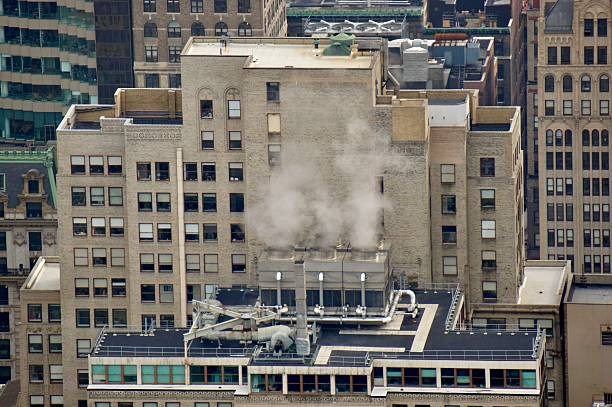
Cooling towers play a critical role in maintaining building efficiency, yet they also pose health risks when not properly maintained. NYC Cooling Tower Legionella has been a major concern for public health authorities due to its link with airborne disease transmission. Building owners must understand how to manage these systems effectively to prevent a NYC Cooling Tower Violation and ensure compliance with city regulations.
Understanding the Health Risks
The bacteria responsible for Legionnaires’ disease can multiply quickly in poorly maintained cooling towers. NYC Cooling Tower Legionella becomes dangerous when contaminated mist spreads into surrounding areas. This makes prevention not just a regulatory requirement but a public health priority.
When systems are not properly maintained, authorities may issue a NYC Cooling Tower Violation. These violations indicate that a building may pose a risk to occupants and nearby residents, emphasizing the importance of routine care.
Importance of Regular Cleaning
Cleaning cooling towers is one of the most effective ways to control bacterial growth. Dirt, debris, and stagnant water create ideal conditions for NYC Cooling Tower Legionella to thrive. Regular cleaning schedules help eliminate these risks.
Skipping maintenance tasks can easily lead to a NYC Cooling Tower Violation. Even a short delay in cleaning can allow bacteria to multiply, making compliance more difficult and costly to achieve.
Water Treatment and Monitoring
Water treatment programs are essential for maintaining safe cooling tower operations. Proper chemical use helps control microbial growth and prevents the spread of NYC Cooling Tower Legionella. Monitoring systems should be in place to track water quality continuously.
Failure to implement effective treatment plans often results in a NYC Cooling Tower Violation. Consistent monitoring ensures that any issues are detected early and resolved before they escalate into serious problems.
Documentation and Record Keeping
Accurate documentation is a key part of compliance. Building owners must keep detailed records of inspections, cleaning schedules, and test results. These records provide proof that NYC Cooling Tower Legionella risks are being managed appropriately.
Incomplete or missing documentation can trigger a NYC Cooling Tower Violation during inspections. Maintaining organized records helps demonstrate compliance and reduces the likelihood of penalties.
Training and Awareness
Staff training is crucial for effective cooling tower management. Personnel should understand how to identify early signs of NYC Cooling Tower Legionella and respond appropriately. Well-trained teams are better equipped to handle maintenance tasks and ensure compliance.
Lack of training can increase the risk of a NYC Cooling Tower Violation. When staff are unaware of proper procedures, mistakes are more likely to occur, leading to potential health hazards and regulatory issues.

Responding to Inspection Findings
Inspections are designed to identify potential risks and ensure compliance with city regulations. If NYC Cooling Tower Legionella is detected, immediate corrective action is required. Delays in response can worsen the situation and increase penalties.
Addressing issues promptly helps avoid a NYC Cooling Tower Violation. Quick action not only resolves compliance concerns but also protects public health by minimizing exposure risks.
Building a Proactive Maintenance Plan
A proactive approach is the best way to manage cooling towers effectively. Regular inspections, consistent cleaning, and proper water treatment all contribute to controlling NYC Cooling Tower Legionella. Planning ahead reduces the likelihood of unexpected issues.
By implementing a strong maintenance strategy, building owners can avoid a NYC Cooling Tower Violation. Prevention is always more efficient and less costly than dealing with the consequences of non-compliance.
Conclusion
Preventing cooling tower-related risks requires consistent effort and attention to detail. NYC Cooling Tower Legionella can be effectively controlled through proper maintenance, monitoring, and staff training. Avoiding a NYC Cooling Tower Violation depends on proactive planning and adherence to regulations. By prioritizing safety and compliance, building owners can ensure their systems operate efficiently while protecting public health.