

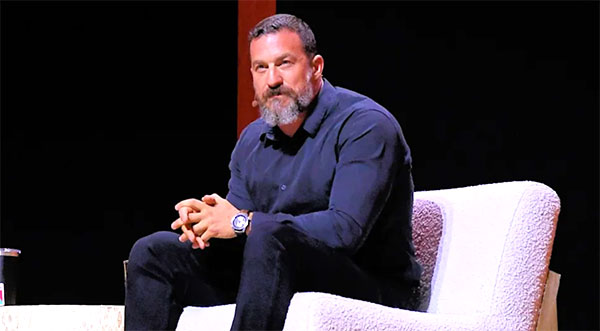
The internet has made expert knowledge more accessible than ever before. Podcasts, newsletters, and online videos allow professionals to learn from leading researchers without stepping into a classroom. At the same time, information spreads quickly, making it essential to evaluate the credibility of public experts. Discussions about Andrew Huberman credibility have become increasingly common because millions of people rely on his advice about health, performance, and neuroscience. Understanding how to assess expert information is an important skill for entrepreneurs and business leaders alike.
Why Andrew Huberman credibility Matters
Trust plays an important role in business and education. According to publicly available information, Huberman has a strong academic background, including neuroscience research, peer reviewed publications, and a faculty position at Stanford University. These credentials distinguish him from many online personalities whose advice is based primarily on personal experience.
However, credibility should never be viewed as perfection. Even respected researchers encourage ongoing questioning and scientific discussion.
How Entrepreneurs Should Evaluate Expert Advice
Business owners constantly receive advice about leadership, productivity, marketing, and technology. Instead of accepting every recommendation, consider these questions:
- Does the expert have recognized experience in the subject?
- Are reliable studies or evidence provided?
- Do other qualified professionals generally agree?
- Are the recommendations practical and realistic?
- Does the advice acknowledge limitations?
These questions help entrepreneurs make informed decisions while avoiding misinformation.
Balancing Expertise with Critical Thinking
Science continues to evolve. Recommendations that appear promising today may change as new research becomes available. The best business leaders understand that learning is an ongoing process.
Instead of seeking perfect answers, they gather information from multiple trusted sources and apply critical thinking before making important decisions.
This mindset supports stronger leadership and reduces costly mistakes.
Looking Ahead
Digital education will continue growing as more experts share research through podcasts and online platforms. Artificial intelligence, personalized learning, and interactive education will make expert knowledge even more accessible.
Future business success will depend not only on accessing information but also on evaluating its quality. Professionals who combine curiosity with thoughtful analysis will be better prepared to adapt in an increasingly complex world.
Conclusion
Conversations about Andrew Huberman credibility highlight a broader lesson for entrepreneurs. Credible experts provide valuable insights, but responsible decision making always involves reviewing evidence, considering multiple viewpoints, and remaining open to new discoveries. In business, as in science, thoughtful evaluation is often the foundation of long term success.