

Floors attract a surprising amount of bad advice. Friends, online posts, and old stories can leave owners nervous about epoxy before they even ask for a quote. Let us sort fact from fiction. Here are five common myths, along with the realistic truth behind each one.
Myth One: Commercial Epoxy Flooring Is Always Slippery
This idea comes from glossy garage floors with no added texture. A smooth, wet surface can certainly feel slick. However, installers regularly mix fine grit or other anti slip additives into the topcoat, which gives shoes a better grip without ruining the look of the floor.
The correct approach is to match traction to the area. A dry office corridor needs less texture than a wet entrance or a kitchen. When you discuss commercial epoxy flooring with a contractor, mention where spills and moisture appear so they can recommend the right level of grip.
Myth Two: Commercial Epoxy Floor Coating Is Only for Factories
Factories do use epoxy, but they are far from the only customers. Retail shops, restaurants, schools, offices, showrooms, and garages all choose it. The material suits any place that needs a strong, clean, good looking floor, and that covers a wide range of businesses.
Because design choices are so broad, epoxy can match a modern store as easily as an industrial plant. A commercial epoxy floor coating can be bold, subtle, glossy, or satin. That flexibility explains why it appears in so many settings that people never think of as industrial.
Myth Three: Commercial Epoxy Flooring Peels and Cracks Easily
Peeling usually points to poor preparation, not weak material. If concrete is dirty, oily, or damp when the coating goes on, the bond suffers. Proper grinding and moisture checks give the epoxy something solid to grip. In short, the quality of the prep work decides much of the final result.
Cracks in the slab can also telegraph through a thin coating, but a skilled installer repairs them first. Honest planning, careful preparation, and the right system keep problems rare. So the real lesson is simple: judge the installer’s process, because the process matters as much as the product itself.
Myth Four: Commercial Epoxy Floor Coating Is Hard to Maintain
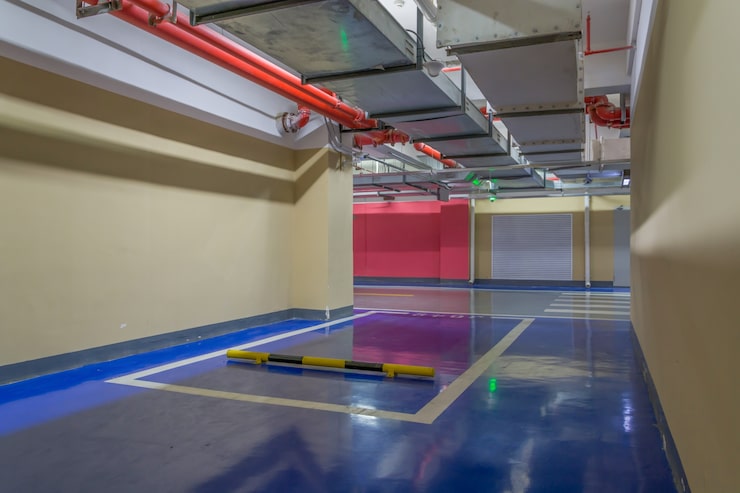
Maintenance is actually one of epoxy’s best features. The seamless surface does not trap dirt like grout or bare concrete, so regular sweeping and mopping handle most of the work. Quick cleanup of spills keeps the finish looking clean and prevents stains from setting in.
You do not need complicated routines or expensive products. A soft mop and a gentle cleaner are usually enough. Compared with older floors that need frequent scrubbing or resurfacing, epoxy saves time. That saved time lets your staff focus on customers and operations instead of constant floor care.
Myth Five: Commercial Epoxy Flooring Looks Boring
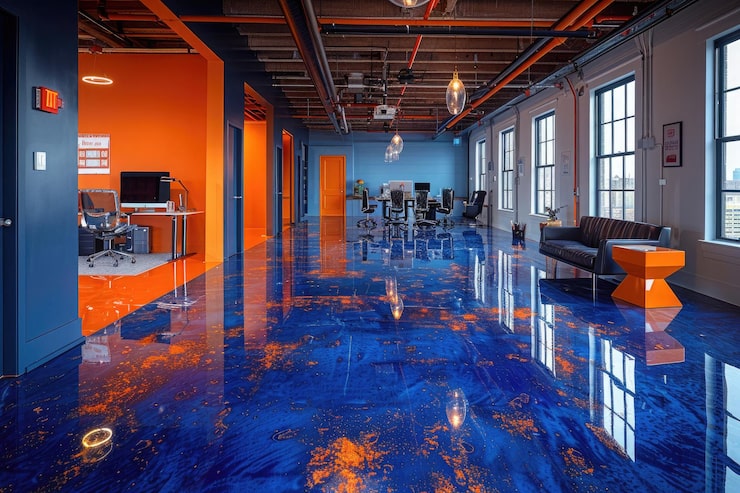
Many people imagine a flat gray slab. In reality, the design range is wide. Owners can choose bold solid colors, decorative flakes, metallic swirls, and custom logos. A creative installer can build a floor that feels like part of the brand rather than a plain surface.
What Actually Matters in a Commercial Epoxy Flooring Project
Once the myths fade, a few real priorities remain:
- Thorough surface preparation
- A system matched to your daily use
- The right level of traction for each area
- Reasonable cure time before heavy use
- Simple, regular cleaning
Final Thoughts on Commercial Epoxy Floor Coating
Myths often grow from poor installations or incomplete information. Once you understand how preparation, system choice, and care affect the result, epoxy looks like what it is: a practical, flexible solution for demanding spaces.
If you have been hesitating because of something you heard, ask an experienced installer to address your concerns directly. Request a detailed quote, describe your space, and decide with facts instead of rumors.